The problem
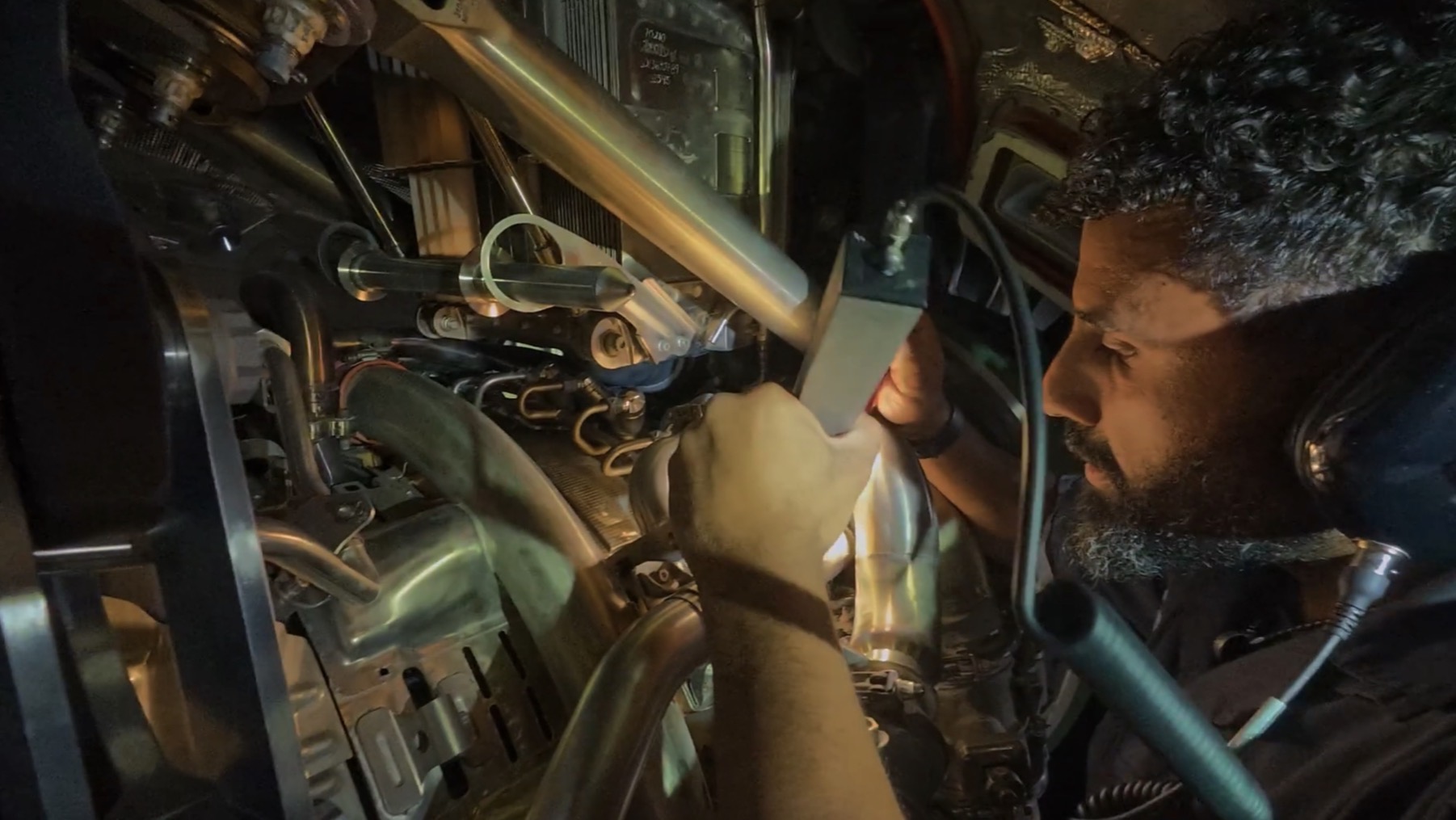
A Boeing 737 MAX operator was troubleshooting a suspected fuel-nozzle leak on a CFM LEAP-1B engine. The standard workflow required borescope inspection through combustor access ports, followed by replacement of every one of the eighteen fuel nozzles because there was no way to isolate the failing unit. Both steps drove significant AOG time and parts cost, and the borescope itself carried a contamination risk during the inspection.
How the UL101 solved it
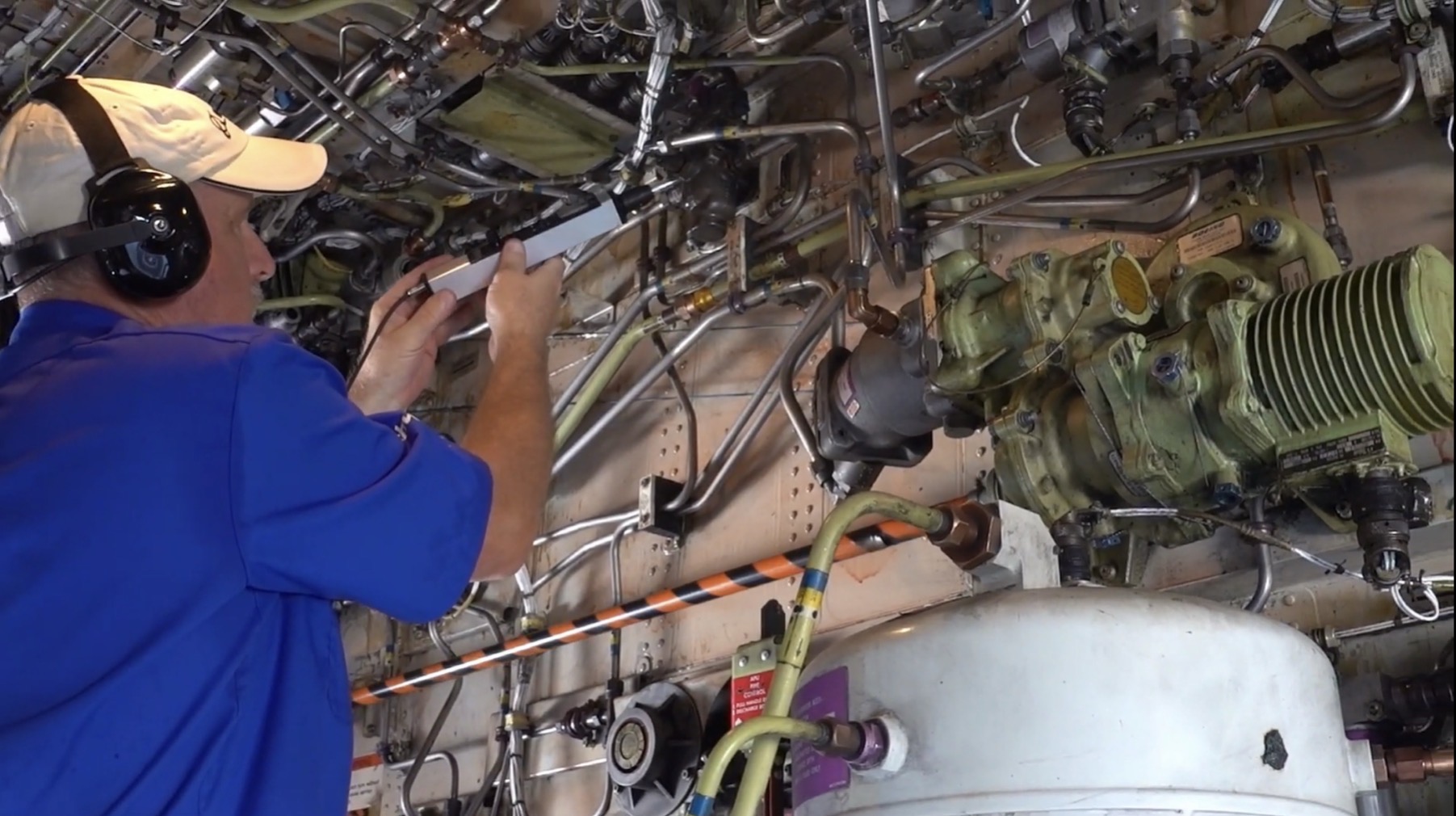
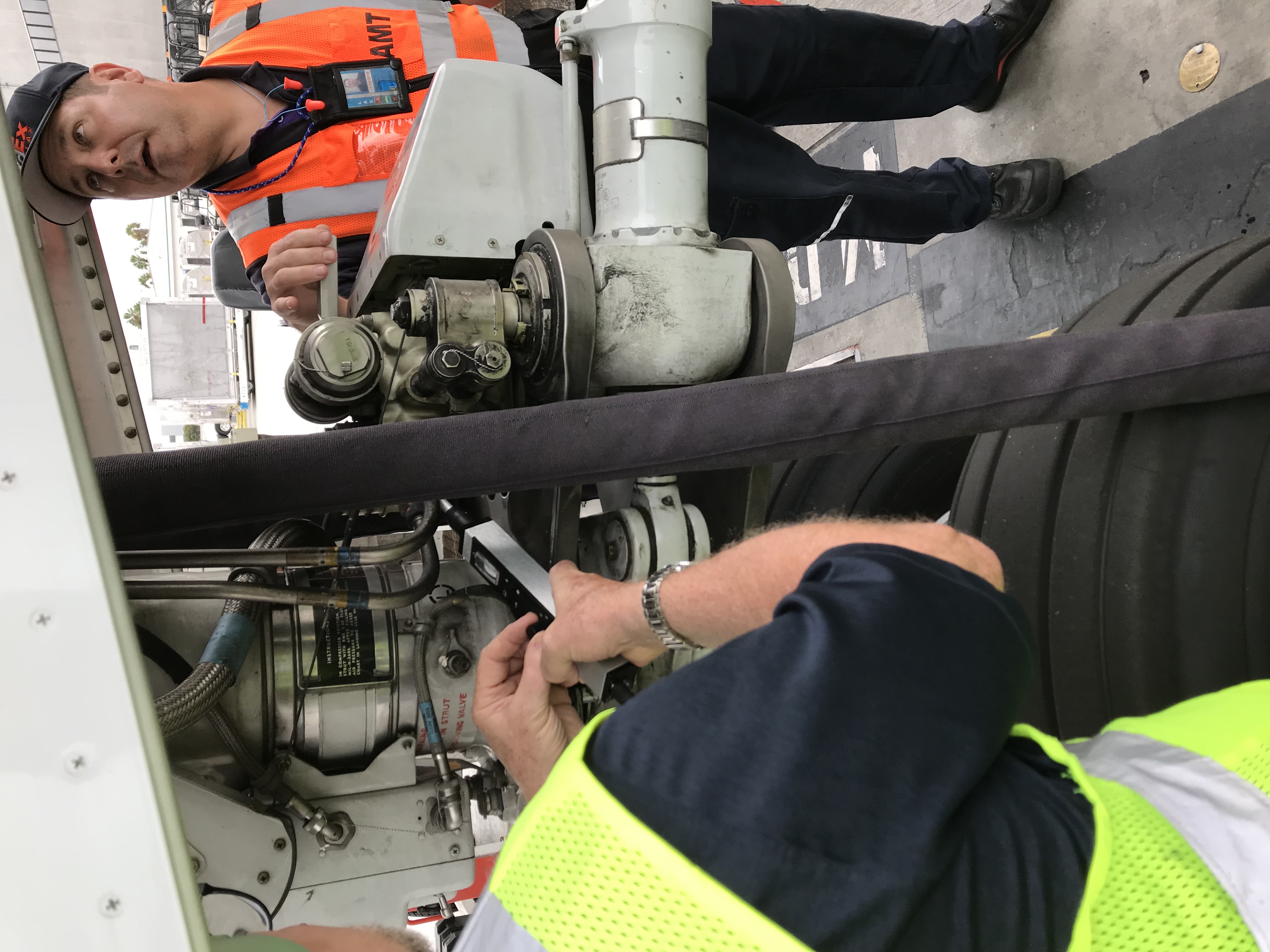
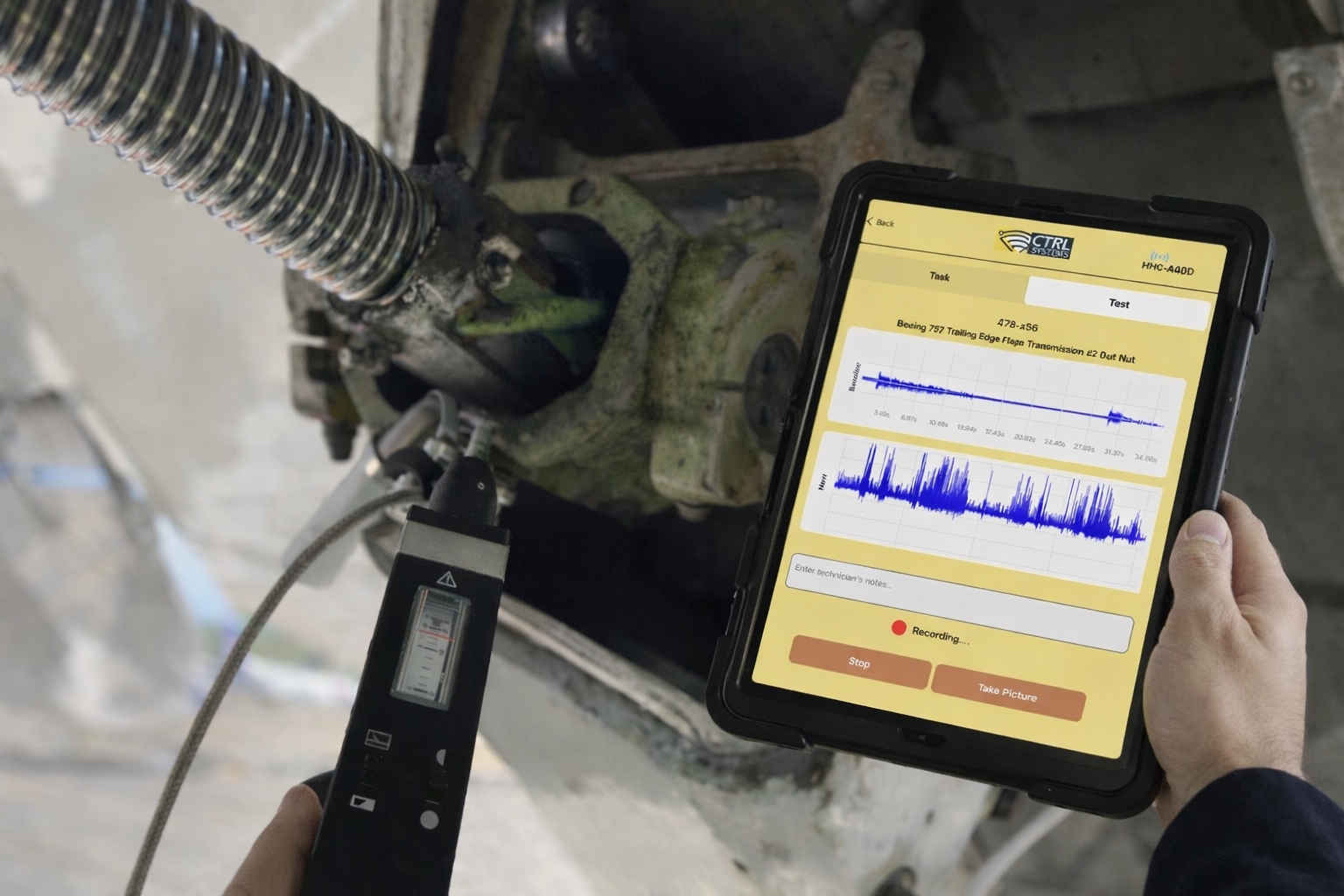
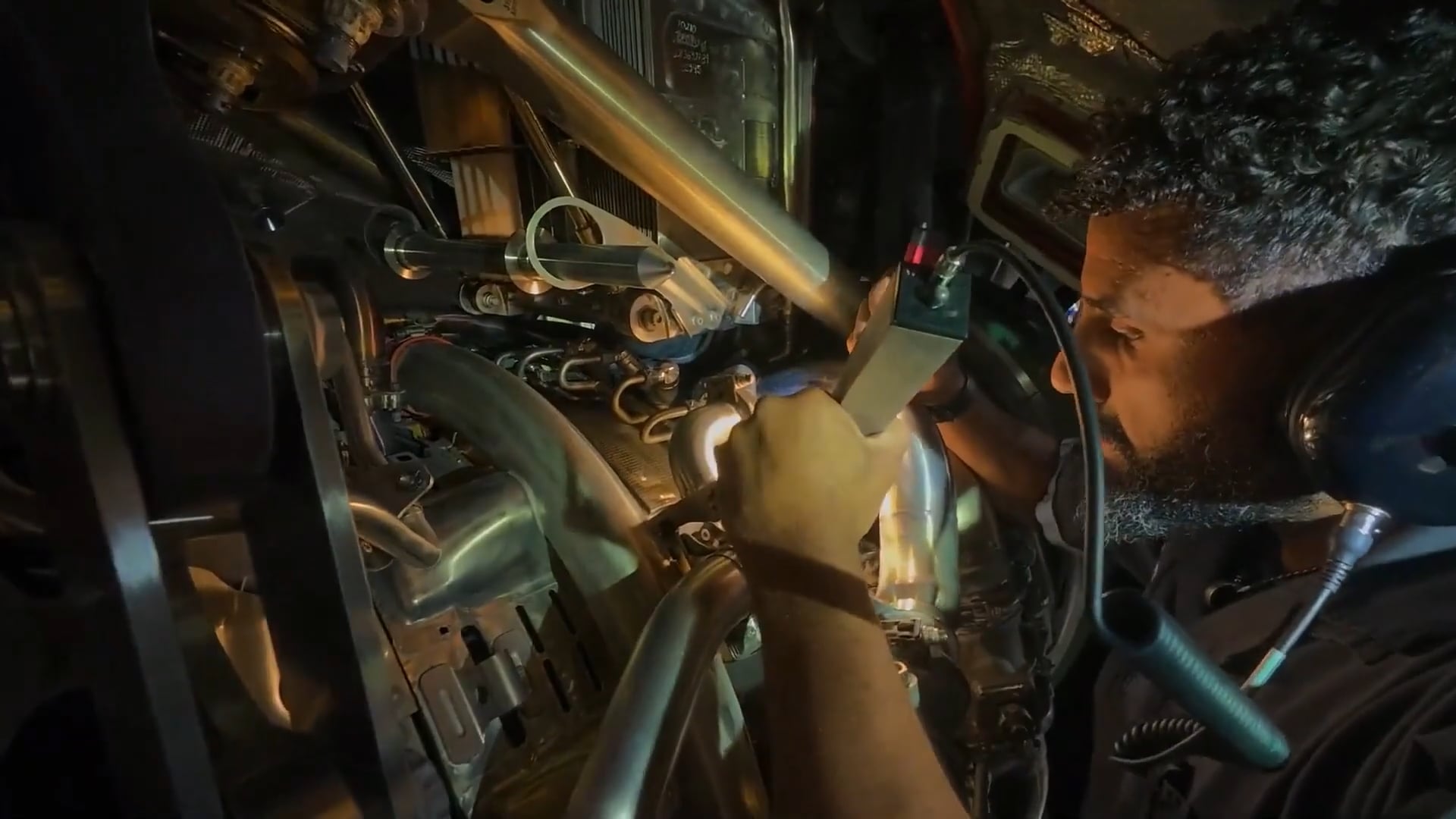
Using the CTRL UL101 Aviation Troubleshooter, the maintenance team walked the perimeter of the combustor with a solid-probe accessory and listened for the ultrasonic signature of the leaking nozzle. Because a leaking fuel nozzle produces a distinct high-frequency turbulence sound that is completely inaudible to the human ear, the UL101 converted the signal into the audible range and let the technician pinpoint the single failing nozzle in minutes rather than assumption-replace all eighteen.
The outcome
Diagnostic time dropped from a multi-shift borescope-and-swap event to under 60 minutes. Only the failing nozzle was replaced, so eighteen units of parts cost and labor were avoided. The engine was returned to service the same day with no borescope contamination risk, and the technician who performed the diagnosis needed no additional certification beyond standard UL101 training.