The problem
On a Boeing 737-700 with an AOG-grounding leading-edge flap defect, the traditional troubleshooting workflow would have replaced all eight leading-edge actuators — the only way to be certain the failing unit was among them. On a separate Boeing 757-200 with a trailing-edge flap disagree, the same shotgun approach would have required trial-and-error swaps of four flap transmissions until the defect cleared.
How the UL101 solved it
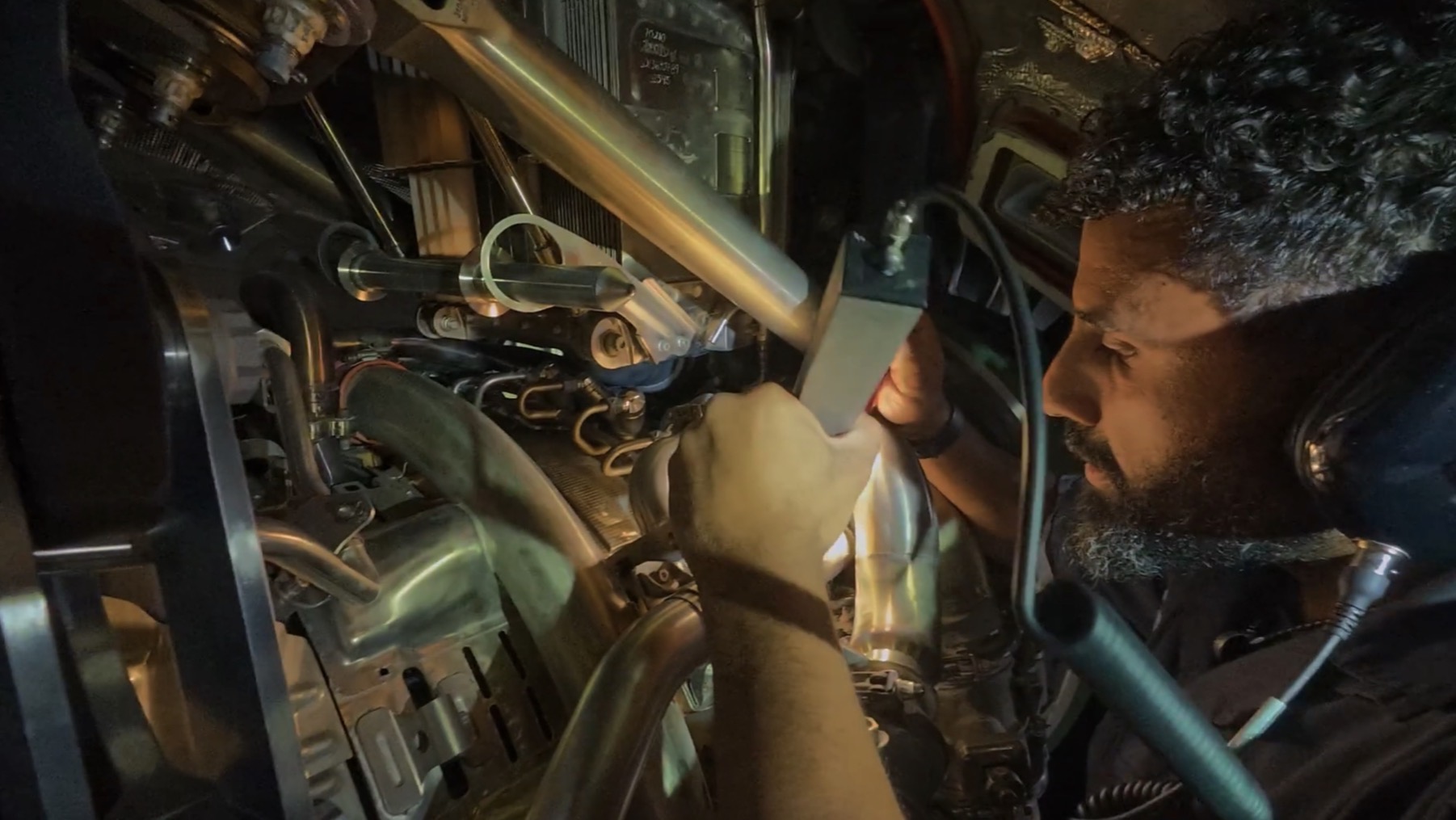
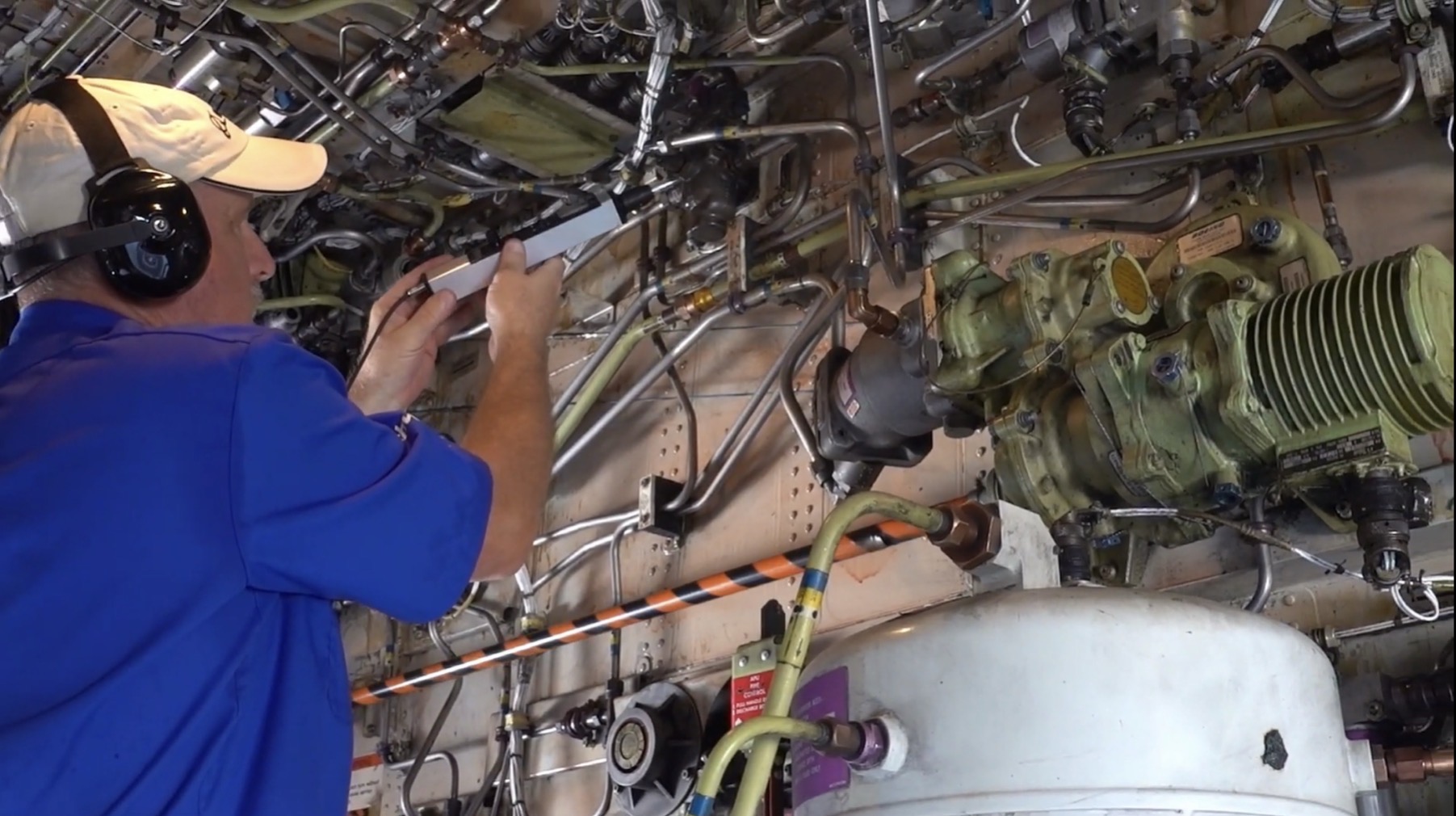
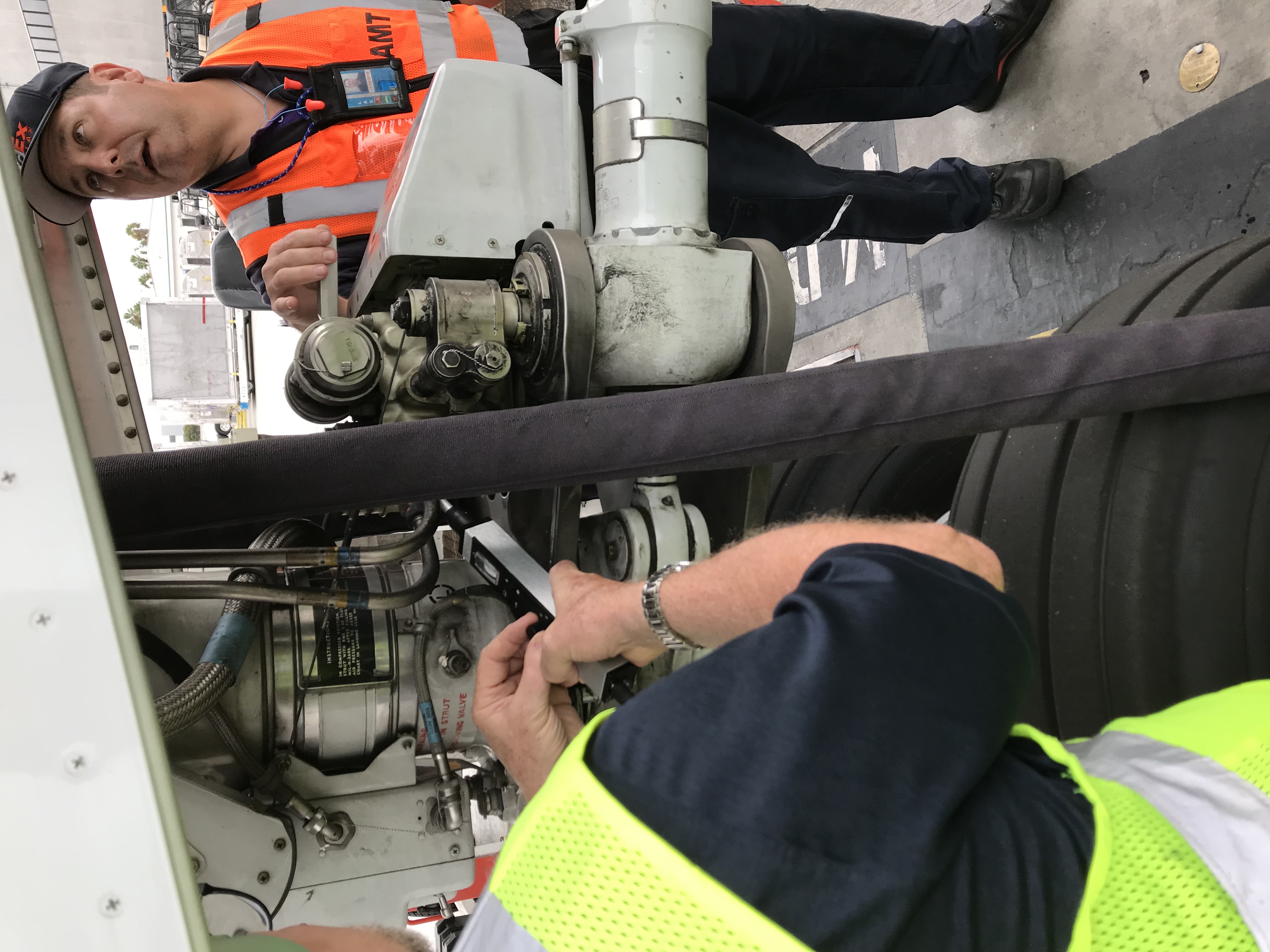
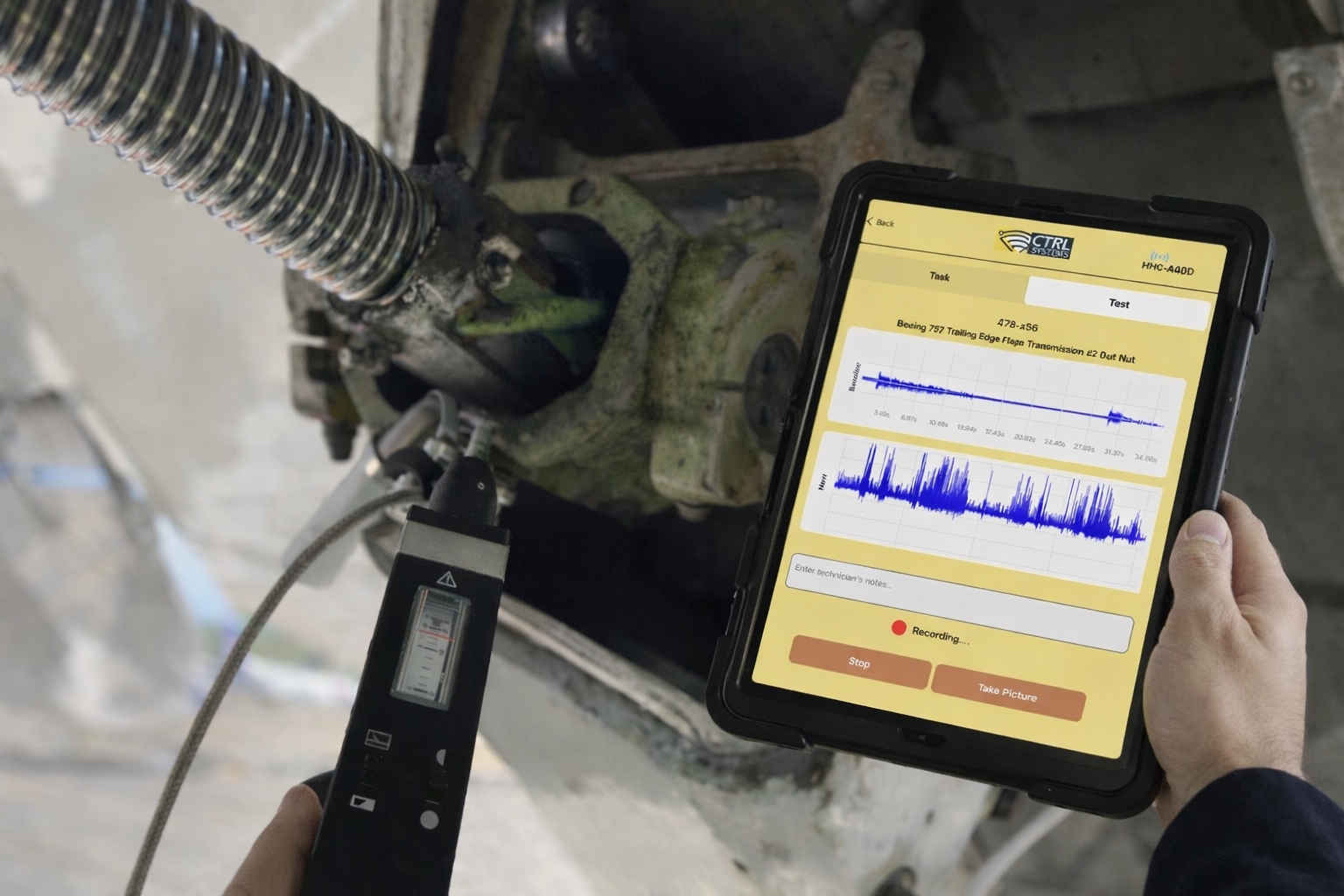
Using the UL101 with a solid contact probe, technicians listened to each actuator and transmission under load. Friction, internal leakage, blockages and fluid bypass each produce distinct ultrasonic signatures that make a failing hydraulic component obvious against its silent, healthy neighbors. On the 737-700, the failing actuator was isolated within one troubleshoot cycle. On the 757-200, transmissions #4 and #5 were pinpointed directly instead of swapping components at random.
The outcome
The 737-700 troubleshoot dropped from 96 hours to 36 hours (60 hours saved), and $74,400 in unnecessary actuator swaps was avoided — a 1,078% ROI on a single UL101 for this one AOG event. On the 757-200, the flap disagree cleared in a single targeted repair rather than a multi-step trial-and-error swap.