The problem
A Boeing 737-700 was reporting a flap-speed defect. Traditional MOC troubleshooting suggested replacing the flap control valve, the bypass valve, and the solenoid — a three-part swap with an estimated 11 hours of hangar time and an overnight AOG risk. The failing component could not be identified before parts had been ordered and installed.
How the UL101 solved it
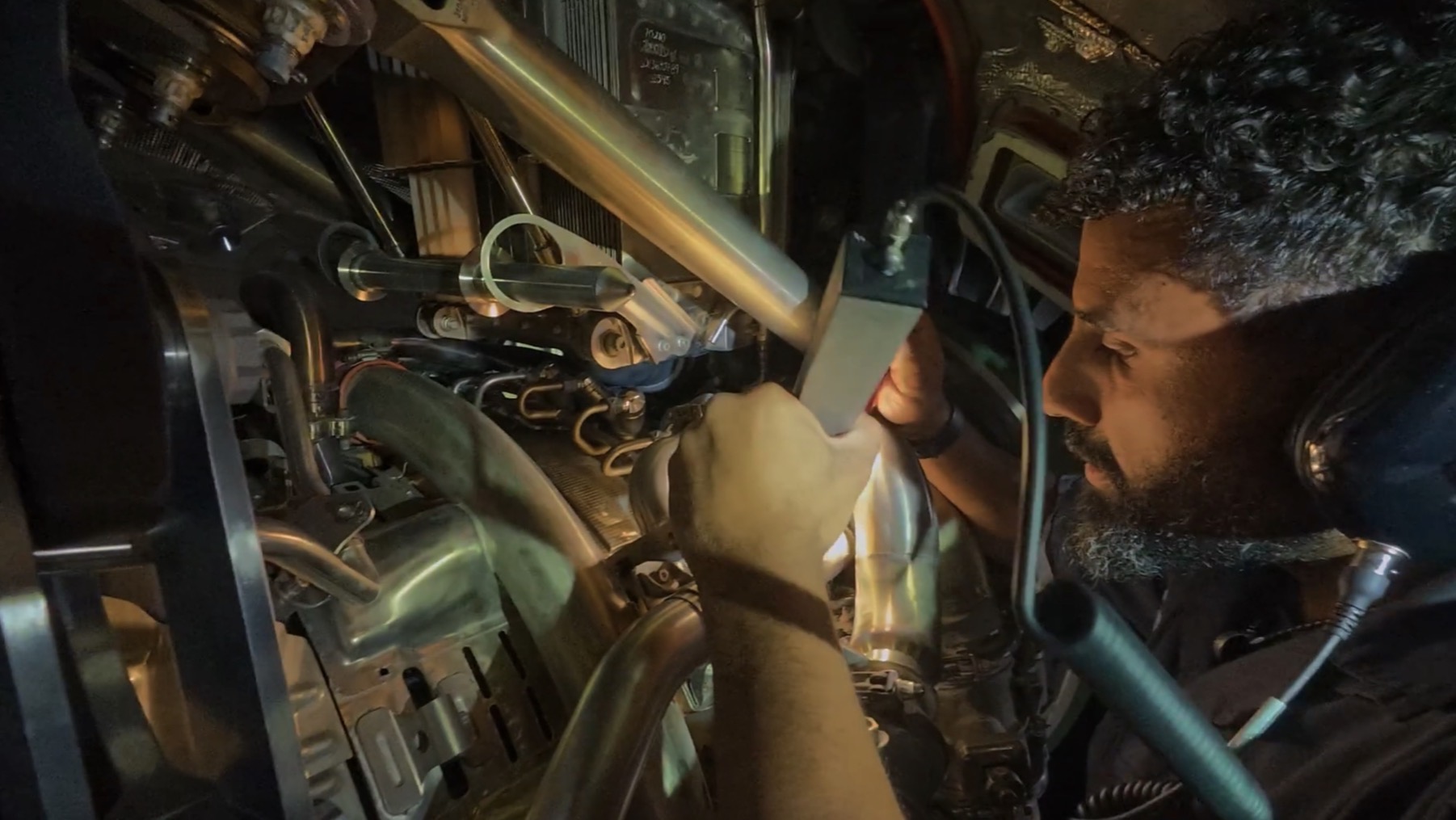
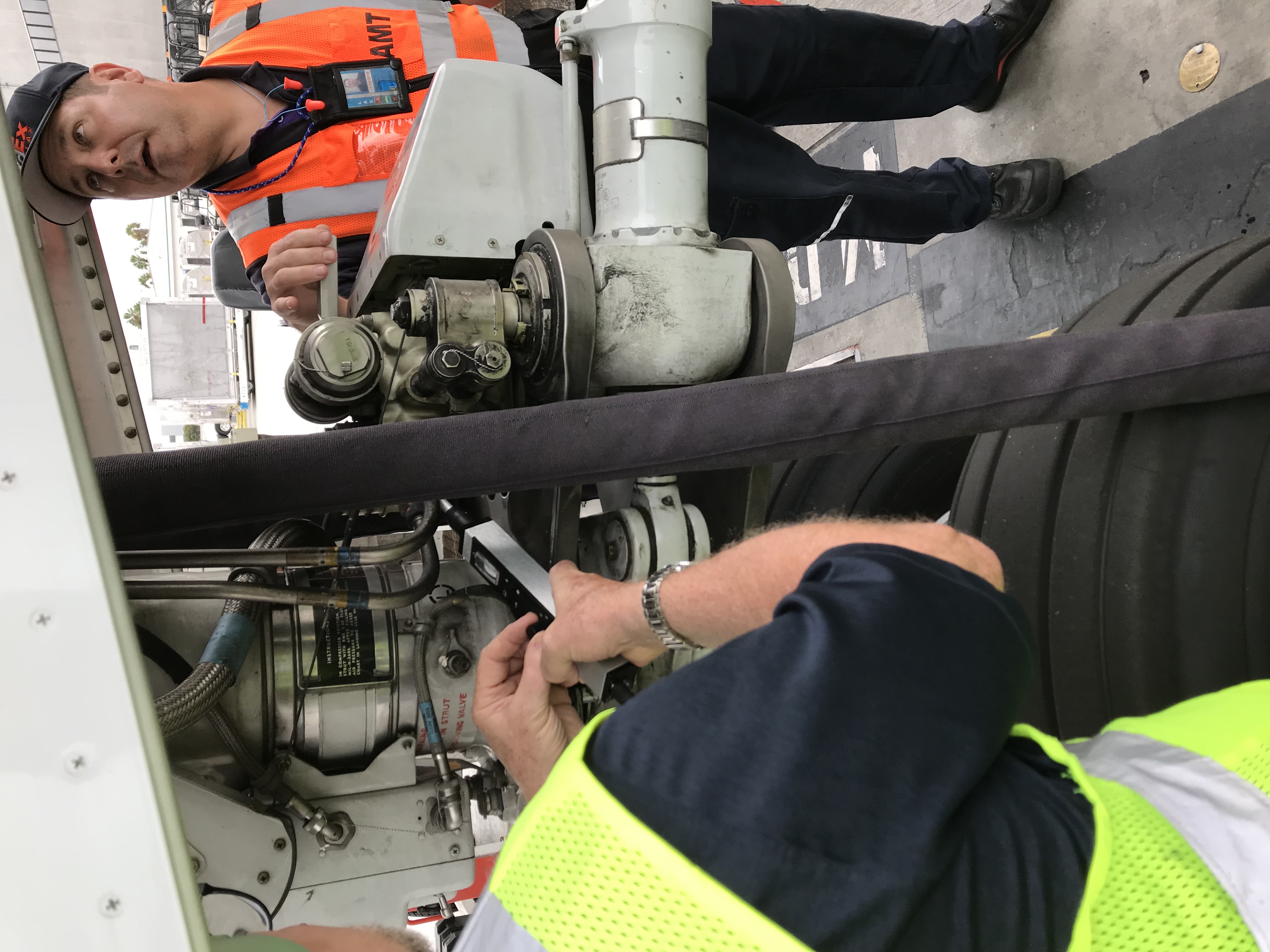
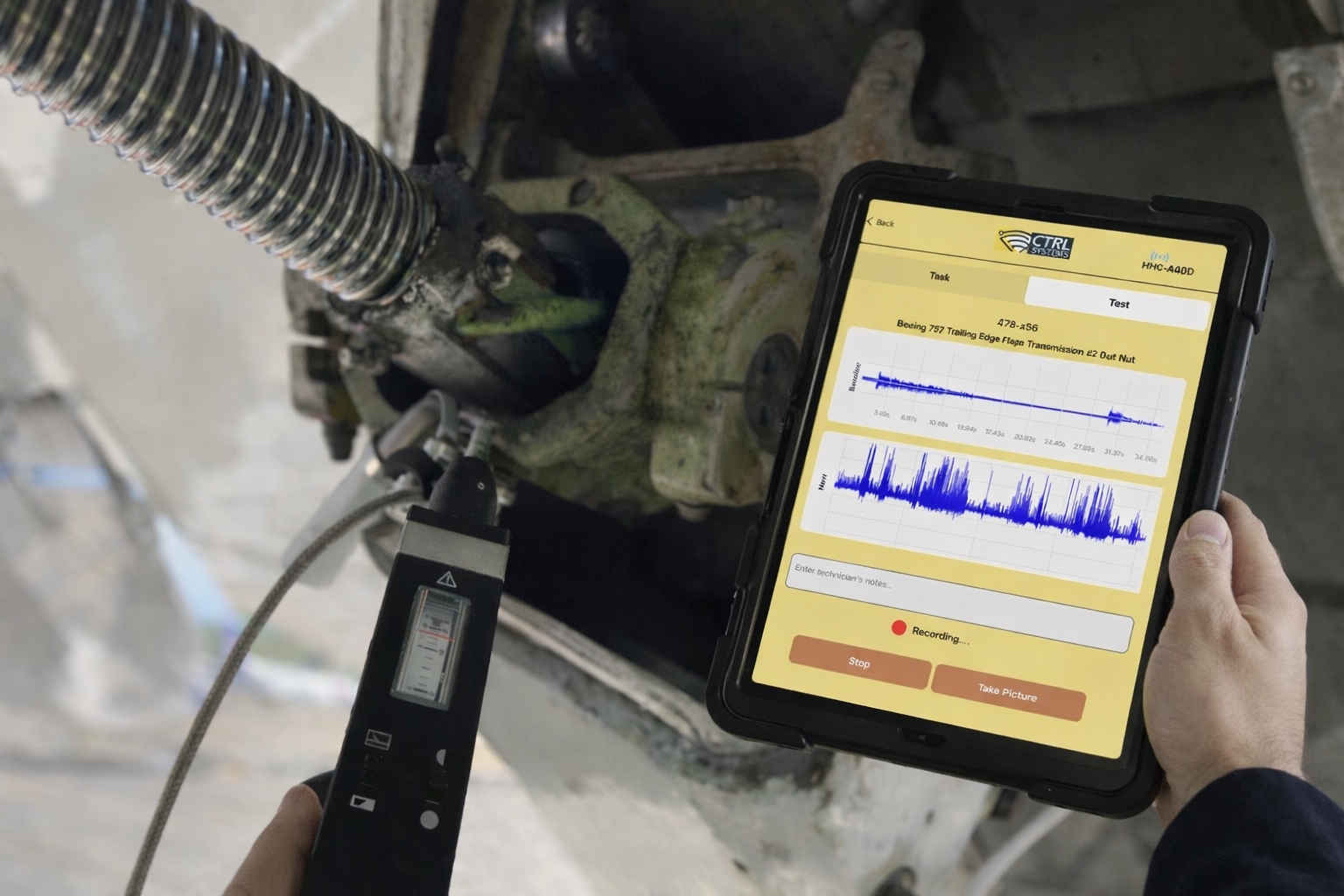
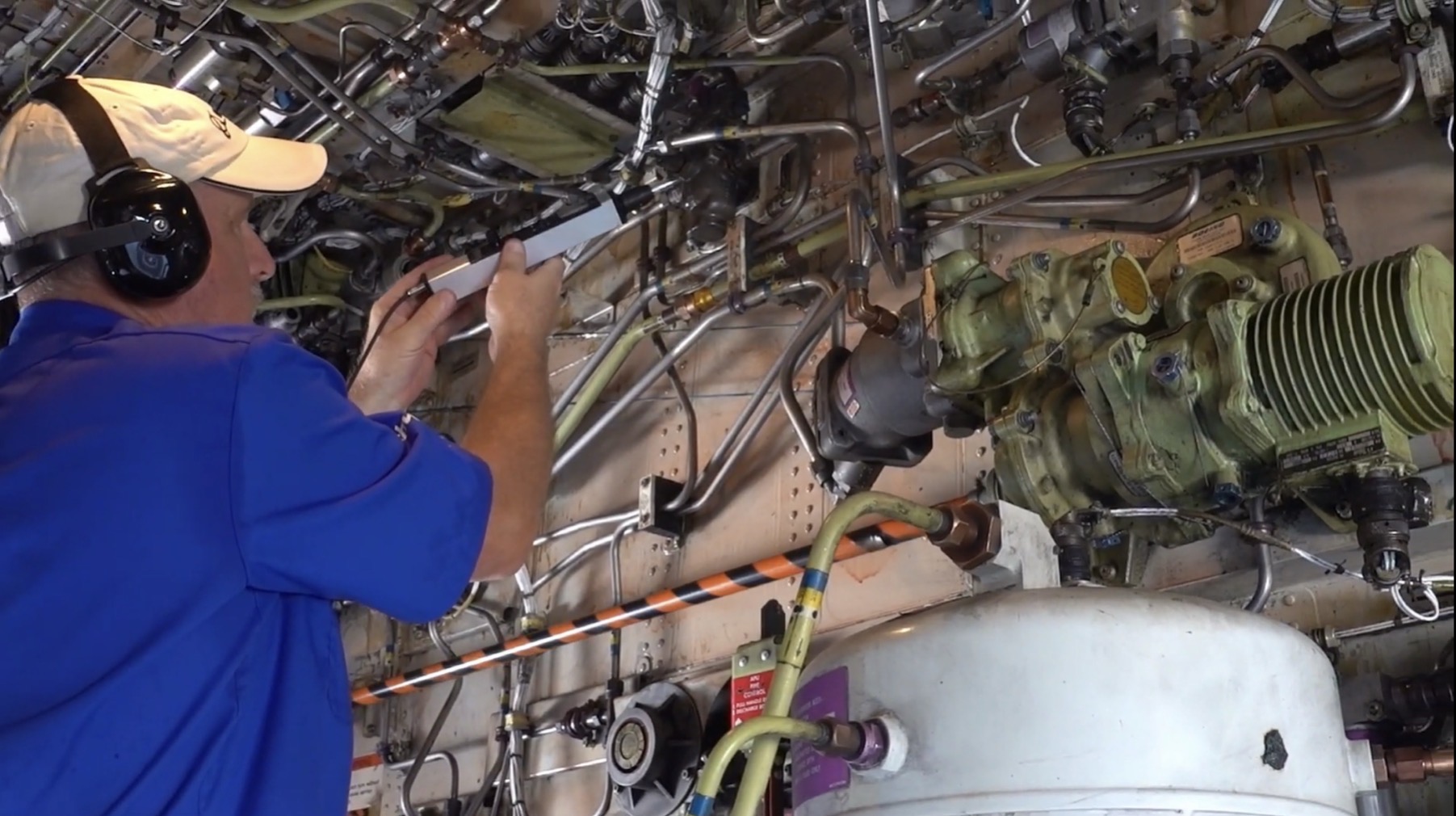
The maintenance team fitted the UL101 with a solid contact probe and compared the acoustic signatures of the flap control valve against the bypass valve while cycling the flap system. A healthy control valve was effectively silent, while the bypass valve produced a strong, unambiguous ultrasonic signature — the classic sound of internal fluid bypass under pressure. The failing part was isolated in a single walk-around.
The outcome
Only the bypass valve was replaced. Troubleshoot time collapsed from 11 hours to 3 hours, $6,480 in unnecessary parts and labor was avoided, and the aircraft returned to service the same day rather than sitting overnight. On a single incident, the UL101 delivered a 108% ROI against its acquisition cost.